Late-Night Pizza Place Cheyenne Picks for Hungry Diners
@sergioytte527
November 17, 2026 · 14 min read
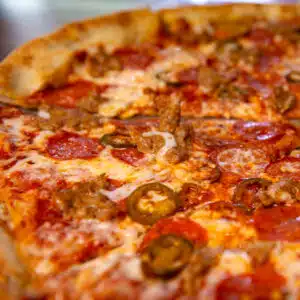
Cheyenne gets quiet at night, but hunger rarely keeps business hours. Anyone who has left a concert, wrapped up a late shift, finished a long drive on I-25, or realized at 10:40 p.m. That the fridge holds only mustard and half an onion knows the feeling. At that hour, pizza stops being a casual craving and becomes a practical answer. It travels well, feeds a group without much negotiation, and offers enough variety to satisfy the person who wants extra meat and the one who just wants mushrooms and black olives on a thin crust.
Finding the right late-night pizza place in Cheyenne takes a little judgment. Not every shop that serves a solid lunch slice handles the late-night rush equally well. Some kitchens keep quality high after dark. Others slow down, shorten menus, or struggle once the bar crowd and tired families place orders at the same time. That is why smart ordering matters almost as much as choosing the place itself.
If you are looking for a pizza place Cheyenne diners can rely on late at night, the best choice often depends on what kind of hungry you are. There is the quick, practical hunger of a solo pickup order on the way home. There is the social hunger of a group trying to split pies without starting an argument. Then there is the deep, end-of-day hunger that calls for serious crust, enough protein, and something hot that arrives before patience runs out.
What matters most after 9 p.m.
Late-night pizza has different standards than dinner-hour pizza. At 6:30, people have time, options, and energy. At 11:15, they mostly want consistency. The best late-night spots understand that. They keep the menu readable, the ordering process simple, and the ovens moving. A place that serves brilliant artisan pies at 7 p.m. Can still be the wrong call if wait times balloon late at night or if pickup turns into a 45-minute parking lot exercise.
Three factors separate a strong late-night option from an average one: dependable hours, kitchen stamina, and food that holds up in transit. Crust matters more than many people think. A pie that goes limp in the box can ruin a late meal in ten minutes. Toppings matter too. Pineapple and fresh tomato can be great earlier in the day, but if a kitchen is moving fast and steam builds inside the box, moisture-heavy toppings can leave slices sliding around. At midnight, a sturdier order usually wins.
There is also the matter of mood. Some late-night customers want a place with a dining room still open, enough light to sit down, and a calm booth where they can regroup. Others want zero friction: online ordering, a short drive, and a stack of napkins. The right pick in Cheyenne depends as much on the experience as on the pizza itself.
The five kinds of late-night pizza orders that actually work
Not every pizza order is built for late hours. Some combinations survive the ride home, reheat well, and satisfy tired people fast. Others sound good in theory and disappoint once they hit the box. Over time, a few patterns prove themselves.
- A classic pepperoni or sausage pie remains the safest group order because it stays balanced, reheats well, and avoids the sogginess that can come with too many vegetable toppings.
- A thin-crust cheese or margherita-style pie works best when you plan to eat it immediately, preferably in the car or within minutes of pickup, because texture fades fast.
- A meat-heavy specialty pizza suits post-shift hunger, especially when two or three people are splitting one large pie and want something filling enough to count as a real meal.
- A half-and-half order is the best peace treaty for small groups, particularly when one side keeps it simple and the other side handles stronger preferences like jalapenos, olives, or extra sauce.
- Breadsticks, garlic knots, or wings are worth adding only if the kitchen handles them well and your pickup timing is solid. Sides often suffer most when late-night volume spikes.
That last point gets overlooked. Sides can make a meal feel complete, but they are also where delays and quality drops show up first. If a place is slammed, the pizza may still come out right while the wings sit too long or the breadsticks toughen under heat lamps. If speed matters, a strong pizza and a drink often beat an ambitious order.
Matching the pizza place to the kind of night you are having
A good late-night recommendation starts with context. Cheyenne has a mix of diners, workers, travelers, and students moving through the same hours for different reasons. The best pick for one person can be the wrong one for another.
If you are driving home alone and need food in hand quickly, prioritize a place known for smooth pickup and predictable timing. At that hour, convenience is part of quality. A very good pizza collected in 15 minutes beats a slightly better one that takes 50. This is especially true in winter, when even short waits in a parking lot feel longer than they are and steam trapped in the box changes the crust before you get home.
For families, the late-night equation shifts. Parents ordering after sports, travel, or a long day need broad menu appeal and portions that make sense. Children rarely care whether a sauce has subtle herb notes. They care whether the cheese stretches, whether the crust is too hard, and whether the meal lands before exhaustion turns into a meltdown. In that case, a straightforward pizza place Cheyenne families can count on is the better choice over a more adventurous shop.
Groups coming from bars or events create another category. They want volume, familiar flavors, and enough grease to feel comforting without crossing into heavy regret. This is where larger pies, combo toppings, and easy add-ons become useful. If the kitchen can handle high throughput and still send out slices with structure, that place earns repeat late-night business.
Then there are road-weary travelers. Cheyenne sees people passing through who do not know the local restaurant rhythm. For them, the best late-night pizza spot is often one with simple access, obvious parking, online ordering that actually works, and food sturdy enough to survive hotel delivery or a ten-minute drive to a motel. Fancy can wait until tomorrow.
The real difference between dine-in, carryout, and delivery late at night
Late-night dining changes depending on how the pizza reaches you. People talk about pizza quality as if it exists in a vacuum, but anyone who has eaten the same pie fresh at a table and then 25 minutes later from a cardboard box knows better.
Dine-in gives you the best shot at crust integrity. If a shop is still seating people late, and if the room feels safe and clean, eating there can turn a rushed meal into a pizza place cheyenne ruffranoshellskitchenpizza.com reset. You notice details more: blistering on the crust, the amount of sauce, whether the cheese is browned or pale, how the kitchen seasons the edge. For true pizza lovers, dine-in remains the benchmark.
Carryout is often the sweet spot. It avoids delivery delays and fees while preserving much of the quality. The key is timing. Arrive too early, and you stand there hungry, watching every minute. Arrive too late, and the pie steams itself in the box. The best shops quote realistic pickup windows. That kind of honesty matters more than a falsely optimistic estimate.
Delivery sounds ideal, but it is the most variable late at night. Driver shortages, weather, apartment access, and stacked orders all affect the result. Pizza can handle delivery better than many foods, though, which is one reason it dominates after hours. If you go this route, order pies with stronger crusts and avoid asking too much of delicate toppings. A loaded veggie pizza can arrive tasting damp and tired if the trip takes longer than expected.
How to judge a late-night pizza menu fast
When hunger is loud, people often over-order or misread menus. A smart late-night order takes about sixty seconds of discipline. Start by asking one practical question: do you want the best pizza this place makes, or the pizza most likely to succeed at this hour? Those are not always the same thing.
Specialty pies with six or seven toppings can be excellent when the kitchen is calm, but after 10 p.m., simpler builds often perform better. They bake more evenly, move through the line faster, and keep slices intact. A cheese pizza from a competent late-night kitchen can outperform a specialty pie from a stressed one.
Crust style deserves more attention than many diners give it. Thin crust is wonderful when eaten at once. Hand-tossed or medium-thickness crust tends to travel better. Deep or pan styles can be satisfying late at night because they retain heat and structure, though they can also push wait times higher. If speed matters, ask yourself whether the heavier style is worth the extra oven time.
Sauce is another late-night dividing line. Some people want extra sauce because it feels indulgent. In practice, too much sauce can make the center slump. If you are feeding a group and want fewer complaints, default to standard sauce unless you know the shop’s dough can support more.
Late-night ordering mistakes people make in Cheyenne
Local habits shape restaurant performance, and late-night pizza reveals those habits clearly. In cities with intense nightlife, kitchens often build systems around midnight surges. In smaller markets, volume can be less predictable. That means customers benefit from understanding how timing and expectations work.
One common mistake is waiting too long. If a place closes at 11 p.m., ordering at 10:52 is rarely your best move, even if the app allows it. Staff may still make the food professionally, but late-edge orders are where rushed execution happens. Ordering 30 to 45 minutes before close gives you a far better shot at getting the kitchen’s full attention.
Another mistake is assuming every late-night shop keeps its full menu available. Many reduce options after a certain hour, either officially or in practice. Ingredients run low. Staffing tightens. The fryer may slow down while the pizza line stays active. Customers who pivot gracefully tend to eat sooner and better.
The third mistake is treating weather as a minor detail. In Wyoming, wind and cold affect everything from delivery times to how long a pizza stays hot while you carry it from the car to the house. On rough nights, choose something resilient. A sturdy crust, moderate toppings, and shorter travel distance usually beat a delicate pie from farther away.
What hungry diners should look for before placing the order
When people search for a pizza place Cheyenne residents recommend, they often focus only on taste. Taste matters, but late-night success also comes down to operational clues. Even without insider knowledge, you can spot some signs quickly.
- Check the posted hours in more than one place if possible, because third-party apps and old listings often lag behind real operations.
- Read the menu for restraint. A concise late-night menu can signal a kitchen that knows what it can execute well after hours.
- Notice whether pickup instructions are clear. Vague pickup systems often create frustration at busy times.
- If you are ordering delivery, make sure your phone is on, your address is easy to find, and any gate or hotel details are included up front.
- For groups, appoint one person to order and one person to pay. A ten-minute debate about toppings feels longer when everyone is tired.
That final point sounds obvious, yet it causes endless delays. Group pizza ordering turns chaotic with astonishing speed. The fastest way to ruin a late-night meal is to let six people freestyle their preferences through one phone screen.
The underrated value of a simple pie
There is a reason seasoned diners often fall back on a plain cheese, pepperoni, or sausage pizza after hours. Simplicity gives the kitchen room to succeed. It highlights dough quality, sauce balance, and cheese handling. It also reduces the odds of one topping overwhelming another.
A good simple pie from a reliable shop can be more satisfying than a complicated order loaded with novelty. This is especially true late at night, when fatigue changes how people eat. Strong acid, heavy spice, and too many competing textures can feel exciting on paper and exhausting in practice. After a long day, many diners want warmth, salt, chew, and just enough richness.
That does not mean adventurous toppings have no place. They do, particularly for diners who know the shop well. But if you are ordering from an unfamiliar late-night spot, the wiser test is still a classic pie. It tells you whether the place is worth remembering.
If you are feeding a crowd, think like a host, not a fan
Late-night pizza for a crowd is a different skill from ordering for yourself. Personal favorites matter less than coverage. Your goal is to satisfy the most people with the least friction. That means balancing familiarity, dietary preferences, and volume without turning the order into a referendum.
Start with one universally acceptable pie. Then add one pie with meat, one with vegetables, and, if the group is large enough, one pie that takes a stronger position, such as spicy toppings or extra garlic. Most crowd failures happen when every pizza becomes highly specific. A topping that one person loves can make half the room push the box away.
Portioning matters too. A tired group tends to eat aggressively for the first ten minutes and then slow down. Ordering slightly more than you think you need is sensible if leftovers are acceptable, but doubling the order “just in case” often leaves cold boxes on the counter and money wasted. For many groups of four to six adults, a couple of larger pizzas and one side usually covers the moment well, depending on appetites and whether anyone has already been snacking.
Why the best late-night pizza choice is often the most predictable one
There is a time for destination dining and a time for dependable food. Late-night pizza leans hard toward dependability. The pizza place people praise most after 10 p.m. Is not always the one with the most creative menu or the most stylish dining room. It is usually the place that does the same few things well, keeps staff moving, answers the phone, and sends out pies that taste like they were made by people who still care at the end of a long shift.
That kind of consistency earns loyalty. Hungry diners remember the place that got the order right after a high school game, after a delayed drive, after a snow-chilled evening downtown, or after the bars emptied and everyone needed food before going home. They also remember the place that quoted 20 minutes and meant 20 minutes.
For anyone trying to choose a pizza place Cheyenne can rely on late at night, that is the standard worth using. Look for steady hours, manageable menus, food that travels well, and service that respects tired customers. Favor simple orders when timing is tight. Save the high-wire topping experiments for earlier in the day. And when in doubt, choose the shop that seems to understand exactly what late-night hunger feels like.
That is the real test. At the end of a long night, people are not chasing an abstract idea of pizza. They want hot food, honest timing, and a meal that delivers comfort without drama. The places that can do that consistently are the ones worth keeping in rotation.
Ruffrano's Hell's Kitchen Pizza Cheyenne
Address: 1670 E Cheyenne Mountain Blvd, Colorado Springs, CO 80906
Phone number: +17195764355
FAQ About Pizza Place Cheyenne
What's the most popular pizza place?
The "most popular" pizza place depends on whether you measure by location count, total sales, or customer favorite status.
What is the 2 pizza rule?
The two-pizza rule is a management principle made popular by Amazon founder Jeff Bezos. It states that a team or meeting should never be larger than what can be fed with two large pizzas—typically translating to a group of 5 to 10 people (or roughly 6 to 12 people depending on appetites).
Is 2 pizzas enough for 10 people?
No, 2 pizzas are usually not enough for 10 people.